
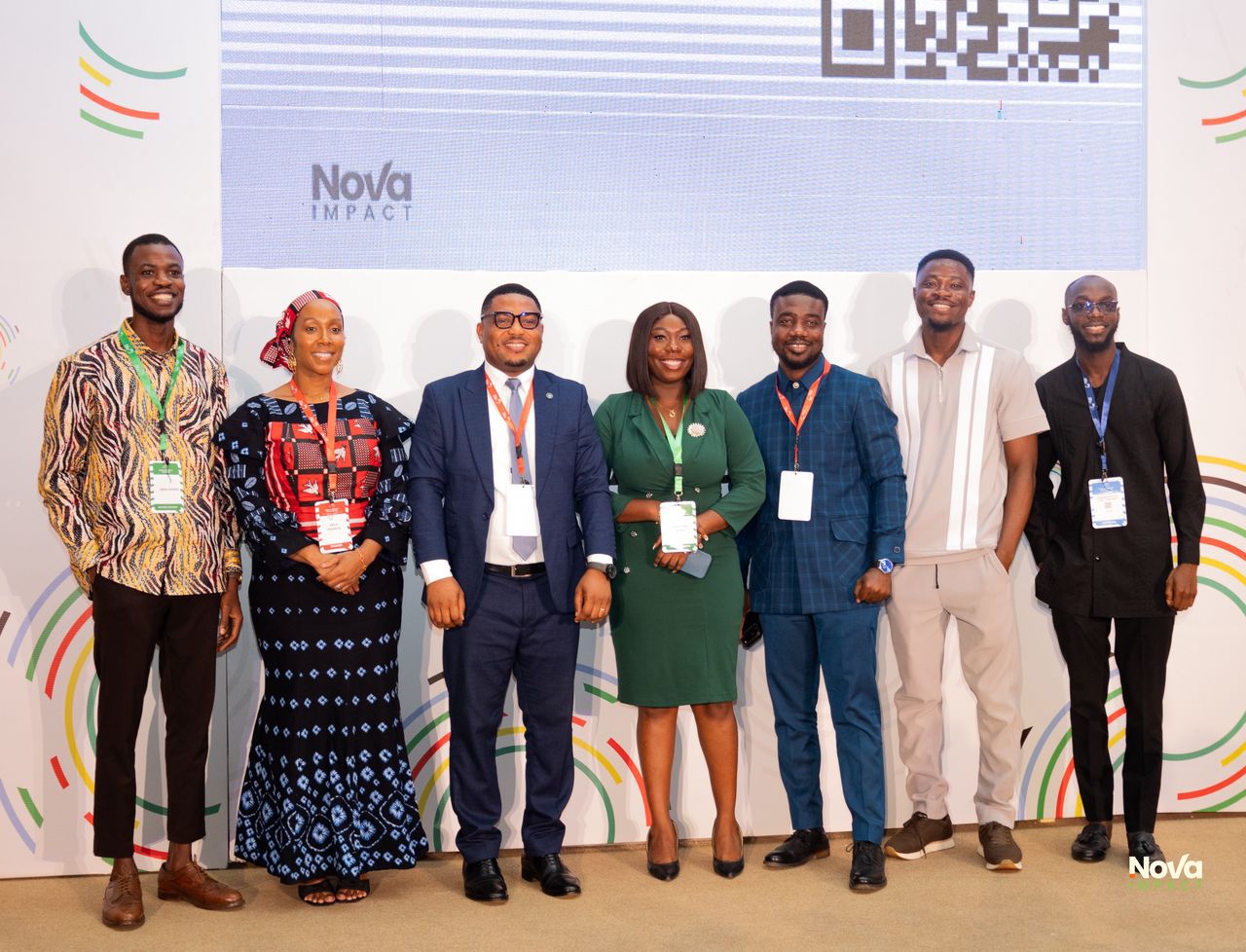
As part of the team at Nova Impact, I contributed to the planning and delivery of a strategic side event during the Africa Prosperity Dialogue 2026 focused on preparing young entrepreneurs and SMEs for cross-border digital trade. The session, titled “Next Generation Tech Education for Cross-Border Trade,” was designed to bridge the gap between continental trade policy and the practical skills entrepreneurs need to benefit from the African Continental Free Trade Area Secretariat (AfCFTA).
Working with the team, we structured the engagement as a breakfast meeting, technical masterclasses, and stakeholder dialogue, ensuring participants could both learn and connect within the broader trade ecosystem. The event attracted youth entrepreneurs, women-led SMEs, and early-stage innovators interested in expanding their businesses beyond national borders.
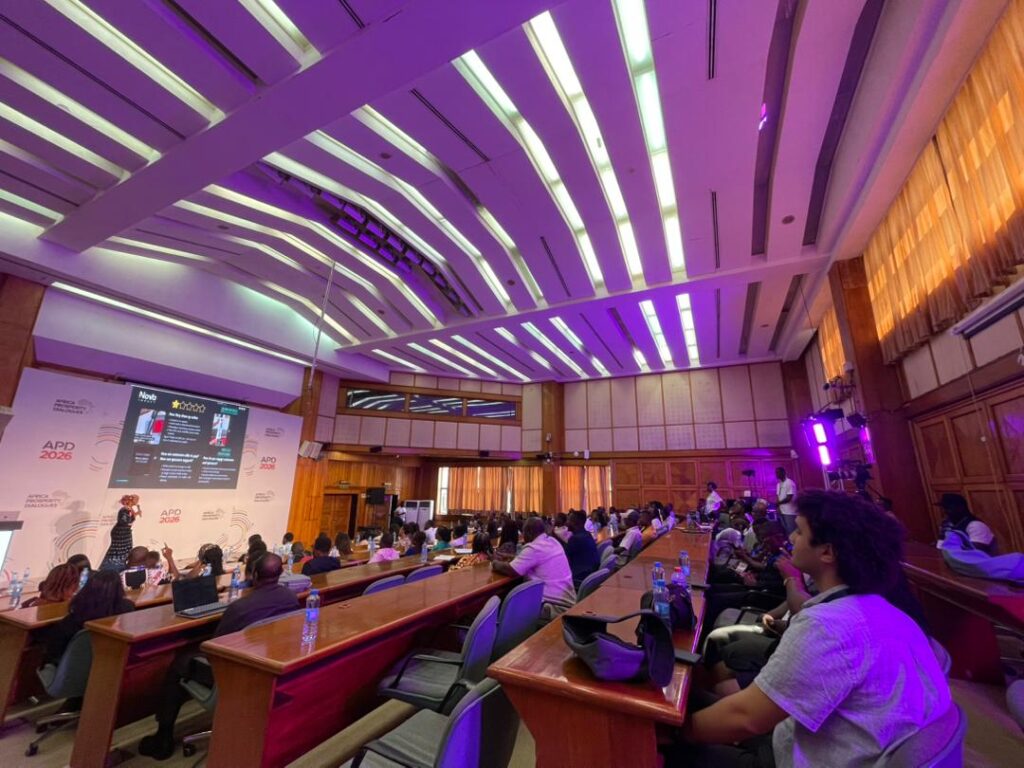
The program featured two core masterclasses. The first session, “Go Digital, Go Continental,” facilitated by Erica Franklin, introduced participants to digital tools for cross-border commerce, including setting up online storefronts, building digital brands, marketing products across African markets, and managing digital payments. The second session, “Digital Security and Resilience Accelerator for Women,” led by Eric Kwaku Mensah, focused on cybersecurity awareness, helping women-led businesses understand online fraud risks, protect business data, and adopt safe digital payment practices.
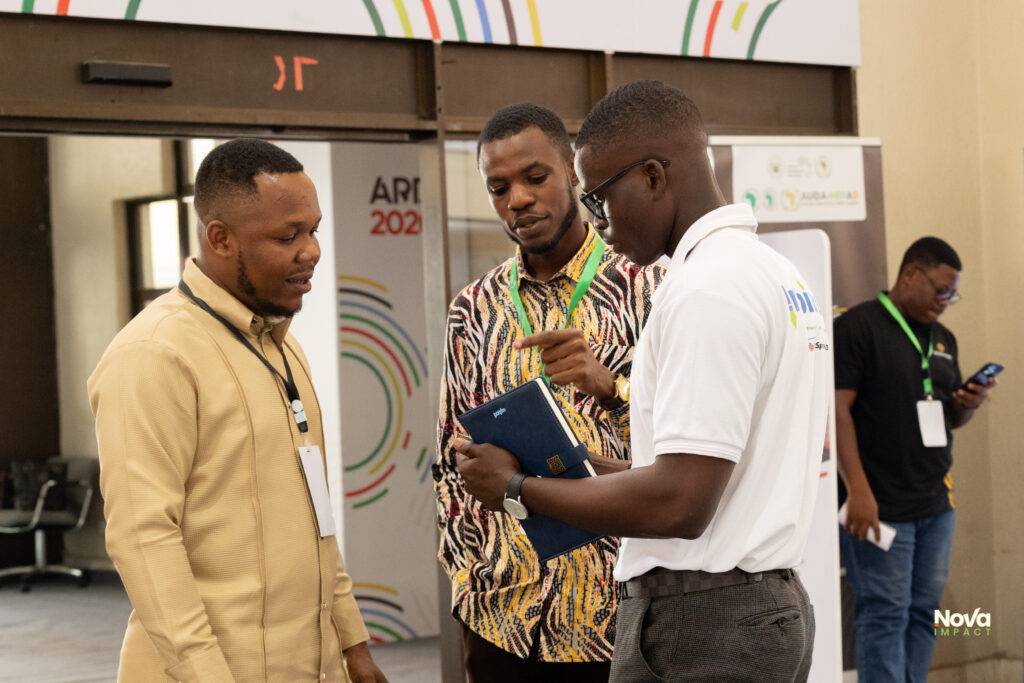
Beyond the technical sessions, the event created space for ecosystem dialogue and networking. Industry leaders, innovators, and entrepreneurs engaged in discussions on scaling businesses within Africa’s single market framework.
The event recorded strong interest, with over 300 participants registering for the Nova Impact Masterclass Series. Through the sessions, participants gained practical knowledge on digital business operations, cross-border payments, and cybersecurity practices necessary for operating in Africa’s growing digital economy. Seven businesses were also identified for further support pathways within the AfCFTA ecosystem, including five women-led enterprises, highlighting progress in strengthening women’s participation in continental trade.
Being part of the team that conceptualized and delivered this engagement reinforced an important lesson: Africa’s trade integration will not only depend on policy frameworks but also on equipping entrepreneurs with the skills, digital tools, and networks required to participate in the continental market. The side event demonstrated how practical capacity-building initiatives can empower the next generation of African innovators to trade confidently across borders.
